
Stand on an African beach early in the morning and you’ll hear waves crashing, seabirds calling, and the gentle breeze from the ocean. But look a little closer and you might also see plastic washed up on the shore. Talk to the fishermen and many will tell you the same story. Fish that were once easy to catch are becoming harder to find.
Tourism brings jobs and income to many African coastal communities. But when it is poorly managed, it can damage the very oceans people come to enjoy. Coral reefs are destroyed, marine wildlife is disturbed, and the communities that depend on healthy seas pay the price.
Marine ecotourism offers a better way. It allows people to experience the beauty of the ocean while helping to protect it for future generations.
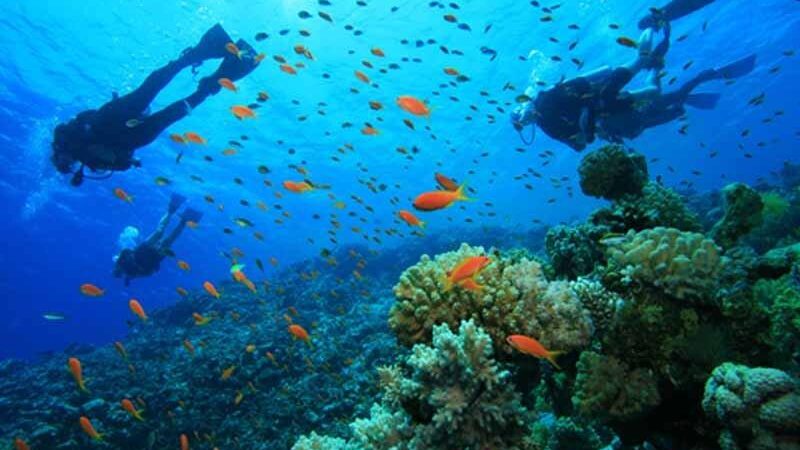
What Is Marine Ecotourism?
Marine ecotourism is responsible travel to oceans, beaches, and other coastal environments. It is about enjoying nature without harming it. Unlike mass tourism, marine ecotourism focuses on protecting marine ecosystems, supporting local communities, and helping visitors understand the importance of ocean conservation. Instead of leaving behind pollution and damaged habitats, it aims to leave a positive impact on both people and nature.
The Evil of Ordinary Tourism
Coral Reef Damage
Coral reefs are among the world’s most valuable ecosystems. They provide shelter for thousands of marine species and help protect shores from strong waves and storms. But, they are also very fragile. Boat anchors can crush coral them. Touching or standing on them causes damage. Even, some sunscreen chemical from swimmers can bleach them.
Plastic Pollution
More visitors mean more plastic waste. Water bottles, food containers, shopping bags, and other single-use plastics. This plastic end up in the seawhere it breaks into tiny pieces known as microplastics and Marine animals mistake them for food. That’s how plastic to move through the food chain and we later injest them in the sea foods we eat.
Disturbing Wildlife
Marine animals rely on quiet, stable habitats to feed, breed, and raise their young. Tourist activities can interrupt these natural behaviours. Boats that get too close to whales cause stress. People walking on nesting beaches at night may stop sea turtles from laying eggs. Noise from speedboats and jet skis can interfere with how dolphins communicate. While each disturbance may seem small, their effects build up over time.
How Marine Ecotourism is Purging the Evil
Funding Conservation
Many marine conservation projects rely on income from ecotourism. Entrance fees and guided tours help pay for reef restoration, wildlife monitoring, beach clean-ups, and marine protected areas.
Inspiring Responsible Travellers
People are more likely to protect something they have experienced for themselves. A guided snorkelling trip, a sea turtle conservation walk, or a visit to a healthy mangrove forest can change how people think about the ocean. Many visitors leave with a better understanding of marine life and are more likely to support conservation efforts long after their trip has ended.
Supporting Local Communities
Marine ecotourism provides jobs for local tour guides, boat operators, accommodation owners, restaurant workers, and conservation staff. It also encourages visitors to spend money in locally owned businesses instead of large international companies, which keeps the income within the community.
How You Can Support Ocean Conservation as a Traveler?
- Choose tour operators that genuinely support conservation and work with local communities.
- Carry a reusable water bottle, shopping bag, and other reusable items to reduce plastic waste.
- Keep a respectful distance from marine wildlife and never encourage activities that disturb animals.
- Support locally owned hotels, restaurants, and businesses whenever possible.
- Learn about the places you visit and ask guides about the local marine ecosystem and the challenges it faces.
Marine ecotourism shows that tourism does not have to come at the expense of nature. When done responsibly, it protects marine ecosystems, creates jobs, supports local communities, and gives visitors a deeper appreciation for the ocean. As more African communities embrace responsible tourism, they are proving that protecting the environment and building stronger local economies can go hand in hand. Every trip is an opportunity to leave the coast a little better than you found it.
Want to learn more about sustainable ocean opportunities in Africa? Explore more resources at http://bridgesforocean.org