
Climate change is transforming African oceans in ways that are becoming impossible to ignore. Wait. Let’s backtrack. What’s climate change?
Climate change is the long-term change in the Earth’s weather and temperature, mainly caused by human activities such as burning fossil fuels, cutting down forests, and releasing greenhouse gases into the atmosphere. These gases trap heat, causing the planet to warm. Although we often think about climate change on land, the ocean absorbs most of this extra heat. As a result, African oceans are becoming warmer, sea levels are rising, marine life is under pressure, and coastal communities are facing growing challenges.
Understanding these changes is the first step toward protecting Africa’s oceans and the millions of people who depend on them.
How is Climate Change Affecting African Oceans?
Oceans Are Warmer
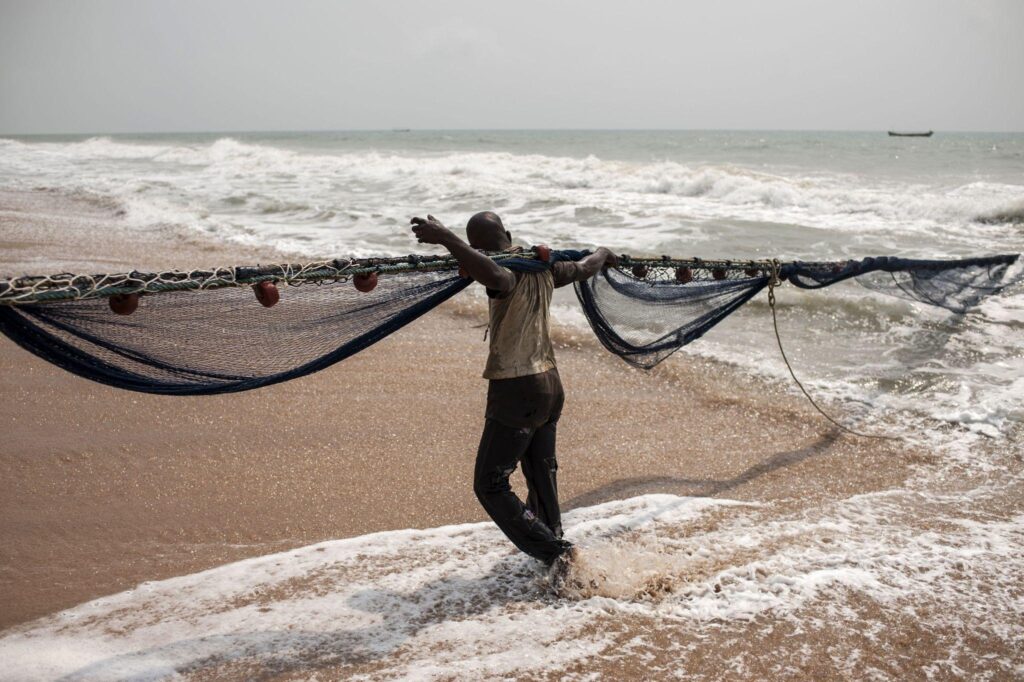
Ocean temperatures along Africa’s Atlantic and Indian Ocean coastlines have been rising over the past few decades. Warmer water changes how the ocean works. Fish move to cooler areas, coral reefs become stressed, and storms become more powerful. Many fish species that were once found close to shore are now moving into deeper, cooler water. For fishing communities, this means longer trips, higher fuel costs, and smaller catches. Families that depend on fishing are finding it harder to earn a living.
Coral Reefs Are Bleaching
Coral reefs support thousands of marine species and help protect coastlines from strong waves. When ocean temperatures become too high, corals lose the tiny algae that give them colour and nutrients. This process is called coral bleaching. If the water stays warm for too long, the coral can die. Healthy reefs take many years to grow, but a severe heatwave can damage them in just a few weeks. As reefs disappear, fish lose their habitat, biodiversity declines, and coastal communities become more vulnerable to storms.
Sea Levels Are Rising
As the ocean warms, the water expands. At the same time, melting glaciers and ice sheets add more water to the sea. Together, these changes cause sea levels to rise. Many coastal communities in countries such as Mozambique, Tanzania, Nigeria, Cameroon, and Senegal are already experiencing more frequent flooding during storms and unusually high tides. Rising seas also push saltwater into rivers, wells, and farmland. This makes it harder to grow crops and reduces access to clean drinking water.
The Ocean Is Becoming More Acidic
The ocean absorbs large amounts of carbon dioxide from the atmosphere. While this slows global warming, it also changes the chemistry of seawater, making it more acidic. More acidic water makes it difficult for shellfish, corals, and other marine organisms to build strong shells and skeletons. These species form the foundation of many marine food chains. When they struggle, the effects spread throughout the ecosystem, including the fish populations that many African communities rely on for food and income.
Fish Are Moving to New Waters
As ocean temperatures rise, many fish species move to cooler waters or deeper parts of the sea. Fishing grounds that have supported communities for generations are becoming less productive. Fishers often have to travel farther to find enough catch, increasing both costs and risks. In some places, declining catches also encourage overfishing and other unsustainable fishing practices, putting even more pressure on marine ecosystems.
Coastal Storms Are Stronger
Warmer oceans provide more energy for storms, making many of them stronger and more destructive. Heavy rainfall, storm surges, and coastal flooding are becoming more common in several parts of Africa. These events damage homes, businesses, fishing boats, and coastal infrastructure while putting lives at risk.
When this happens the sea becomes a threat, a curse instead of a blessing. You might ask, why do 1 need to know about this?
Why This Matters
Healthy oceans are essential to life across Africa. They provide food, jobs, transport, tourism, and protection from coastal erosion. When climate change damages marine ecosystems, it also affects millions of people who depend on the ocean for their livelihoods. Protecting the ocean is not only about saving wildlife. It is also about protecting communities, local economies, and future generations.
What Can Be Done?
Cut Greenhouse Gas Emissions
While governments and businesses play a big role in fighting climate change, individuals can also make a difference. Simple actions like using public transport when possible, avoiding waste and bush burning, saving electricity, reducing waste, recycling, planting trees, and supporting clean energy help reduce the amount of greenhouse gases released into the atmosphere. No single action will solve climate change on its own, but millions of small actions taken by people in Africa can make a real difference over time.
Support Sustainable Fishing
You can support sustainable fishing by buying seafood from responsible sources, respecting fishing regulations, and avoiding the purchase of endangered or illegally caught species. If you fish, use responsible fishing methods and avoid catching more than you need. These actions help protect fish populations, support marine life, and ensure future generations can continue to benefit from the ocean.
Raise Awareness
You can make a difference by learning more about climate change and sharing what you know with your family, friends, and community. Talking about the importance of healthy oceans, supporting environmental campaigns, and encouraging others to care for the environment can inspire more people to take action. The more people understand the problem, the greater the impact we can make together.
Protect Marine Ecosystems
You can help protect marine ecosystems by avoiding littering, reducing plastic waste, joining beach clean-up activities, and supporting organisations that protect the ocean. If you visit the coast, avoid damaging coral reefs, mangroves, and other marine habitats. Small actions like these help keep marine ecosystems healthy and make them more resilient to the effects of climate change.
Climate change is already changing African oceans. Warmer seas, rising water levels, stronger storms, and declining marine ecosystems are affecting both nature and the people who depend on it. The choices we make today will shape the future of Africa’s oceans for generations to come. By protecting marine ecosystems and supporting climate action, we can help build healthier oceans and stronger coastal communities.
Learn more about ocean health and climate action at http://bridgesforocean.org