
Every year, large amounts of waste end up in Africa’s oceans, beaches, rivers, and coastal areas. This is Ocean Waste. However this pollution problem can be turned into an economic opportunity.
What Is the Green Economy?
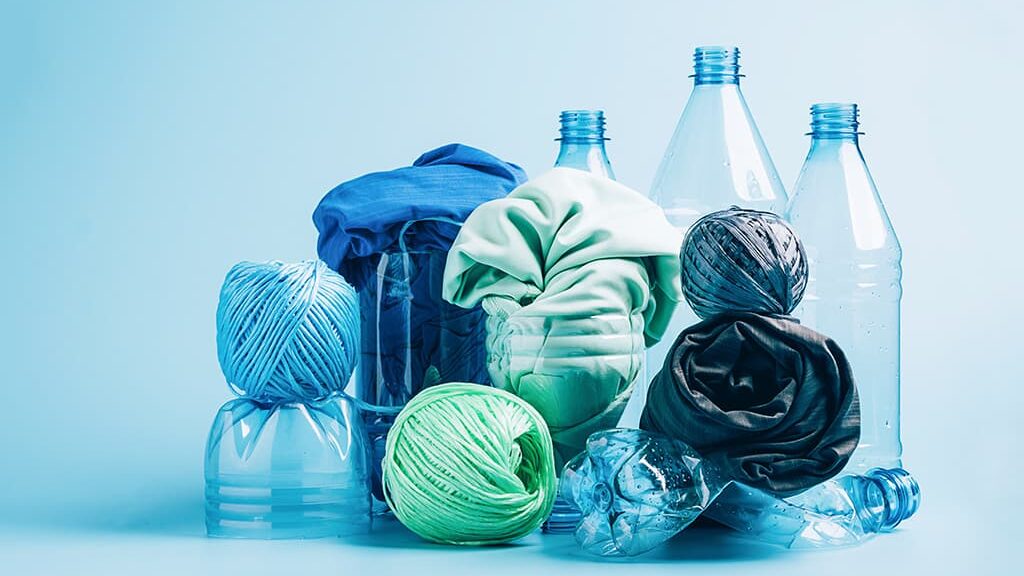
The green economy focuses on creating income and economic growth while protecting the environment. Unlike the traditional system of making products, using them, and throwing them away, the green economy encourages a circular approach. A circular economy keeps materials in use for as long as possible. Waste is collected, processed, and turned into something valuable again. For example, a plastic bottle that ends up on a beach can become recycled material, a building product, or a new consumer item instead of becoming pollution.
How Ocean Waste Creates Jobs and Income
1. Collection and Sorting
Every recycled product begins with someone collecting waste. Collection businesses gather materials from beaches, markets, fishing communities, rivers, and households. Workers then sort the materials by type, quality, and colour. Common materials collected include:
- Plastic bottles and packaging
- Fishing nets and ropes
- Glass bottles
- Aluminium cans
- Textile waste
This is often the easiest entry point for people who want to start in the ocean waste industry. The key to success is building a reliable system. Businesses need consistent suppliers and buyers who are willing to purchase collected materials.
2. Recycling and Processing
The next stage is turning collected waste into usable materials. Recycling businesses clean, shred, and process materials into products such as plastic flakes, pellets, or fibres. Manufacturers can then use these materials to create new products. This stage requires more investment because businesses need equipment and technical knowledge. However, it also creates more value because processed materials are worth more than unprocessed waste.
3. Manufacturing Products From Ocean Waste
The highest-value opportunity comes from creating finished products. Instead of selling recycled materials to another company, entrepreneurs can turn them into products that customers can buy. Examples include:
- Construction materials such as paving bricks, tiles, and roofing sheets
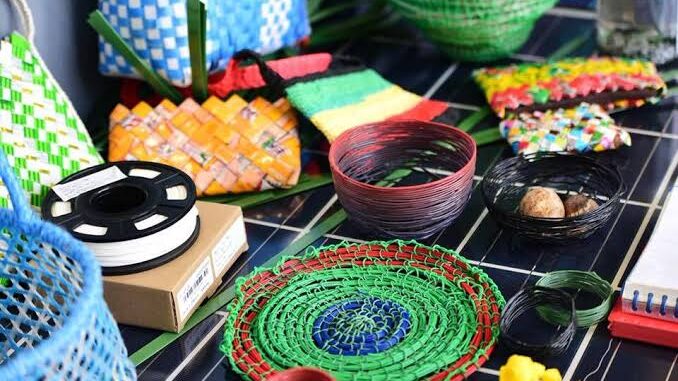
- Fashion products such as bags, sandals, and accessories
- Furniture such as chairs, tables, and shelves
- School and office items such as desks and storage containers
This stage allows entrepreneurs to move beyond waste collection and build recognizable brands.
4. Environmental Services
Not every business needs to recycle plastic into products. Some businesses earn income by providing environmental services. These include:
- Beach cleanup services
- Waste collection programmes
- River cleanup projects
- Partnerships with hotels and tourism companies
Who Can Enter the Ocean Waste Industry?
Beginners
People with limited capital can start with waste collection and sorting. The focus is building relationships with suppliers and buyers.
Skilled Workers
People with technical skills can work in recycling operations, machine maintenance, and processing.
Creative Entrepreneurs
Designers and craftspeople can create products from recycled materials and build sustainable brands.
Investors and Business Owners
Entrepreneurs with more capital can invest in recycling equipment, processing facilities, and businesses that connect collectors with manufacturers.
Why Africa Has a Big Opportunity?
Africa has strong potential to become a leader in the ocean waste to value industry.
First, many coastal communities have large amounts of waste that need better management solutions.
Second, Africa has millions of young people looking for business opportunities and new skills.
Third, global demand for recycled materials is increasing as companies search for more sustainable alternatives.
Most importantly, solving ocean waste creates benefits beyond the environment. It creates cleaner communities, new businesses, and sustainable jobs.
Ocean waste is often seen only as a pollution problem. But it can also become a source of jobs, income, and innovation. Through collection, recycling, manufacturing, and environmental services, Africans are already proving that waste can become valuable. The future of Africa’s green economy will depend on people who are willing to see opportunities where others see problems. By turning ocean waste into value, entrepreneurs can protect the environment while building businesses that benefit communities.
Explore more ocean opportunities and resources at http://bridgesforocean.org