
Starting a plastic recycling business in Africa is becoming a real opportunity for entrepreneurs. It helps solve the plastic waste problem while creating jobs and income.
Why Plastic Recycling Is Becoming a Business Opportunity?
Plastic waste is one of the biggest environmental challenges facing the world today. Every year, millions of tons of plastic enter the ocean, damaging marine life and affecting coastal communities. However, this problem also creates an opportunity. Plastic that is collected, sorted, and processed can become valuable materials used to make new products. This means entrepreneurs can build businesses while helping to protect the environment. Across Africa, where many communities struggle with waste management, plastic recycling businesses can fill an important gap.
Here are four ways you can enter the industry.
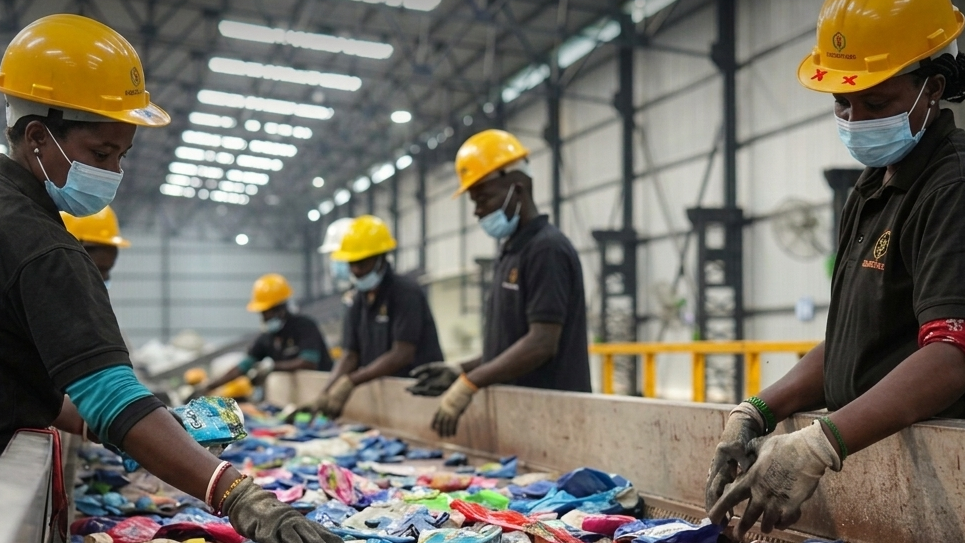
Four Ways to Build a Plastic Recycling Business
Plastic Collection and Sorting
This is the easiest way to enter the plastic recycling industry. The business involves collecting plastic waste from places such as beaches, markets, schools, households, and fishing communities. The plastic is then sorted by type, such as PET bottles, HDPE containers, and fishing nets, before being sold to recycling companies. The biggest challenge is not collecting plastic. It is building a reliable supply system. Successful collection businesses create networks of people who gather plastic regularly and connect them with buyers who need a steady supply. The profit from each kilogram may be small, but collecting large volumes can make the business profitable.
Before starting, identify who will buy your plastic and what types of materials they accept.
Plastic Recycling and Processing
The next step is processing the plastic yourself. Instead of selling collected plastic as waste, you transform it into useful materials such as plastic flakes or pellets. These materials can then be sold to manufacturers who use them to create new products. This model requires more investment because you need equipment for cleaning, shredding, and processing plastic. However, it also creates more value because you are no longer selling waste. You are selling a processed material that businesses need.
Some African entrepreneurs are already developing affordable recycling machines locally, making this option more accessible.
Making Products From Recycled Plastic
Instead of selling recycled plastic to manufacturers, you can use it to create your own products. This model often has higher earning potential because you are selling finished goods rather than raw materials.
Products made from recycled plastic include:
- Paving bricks and tiles
- School furniture
- Roofing sheets and building materials
- Bags and fashion accessories
- Home furniture and decorations
- Agricultural tools and containers
Environmental Cleaning Services
Some businesses make money by providing plastic cleanup services. Instead of selling plastic, they are paid to remove it. Services can include beach cleanups, river cleanup projects, and waste collection programmes. Possible clients include:
- Hotels and resorts
- Tourism companies
- Local governments
- Environmental organisations
- Businesses that need waste management support
African Businesses Already Doing It
Several African organisations show what is possible in the plastic recycling industry.
Gjenge Makers (Kenya) turns plastic waste into strong, affordable paving materials used in construction. https://www.gjenge.co.ke/
ASASE Foundation (Ghana) supports waste collection and helps communities create income from plastic recycling. https://asasegh.com/
The Ocean Cleanup uses technology to remove plastic from rivers and oceans, showing how large-scale solutions can tackle the problem. https://theoceancleanup.com/
How Much Money Do You Need to Start?
The amount of money needed depends on the type of business you choose. A collection business can start with less capital because the main needs are transportation, storage space, and sorting materials. A processing business requires more money because recycling machines can be expensive. Manufacturing products from recycled plastic may require even more investment because you need equipment, production space, and product development. The best approach is to start small, understand the market, and grow over time.
How to Start Your Own Plastic Recycling Business
1. Choose Your Business Model
Decide whether you want to focus on collection, processing, manufacturing, or environmental services. Choose a model that matches your resources and skills. And then read and research to understand the market.
2. Find Your Buyer First
Before collecting plastic, know who will buy it. Contact recycling companies and manufacturers. Understand what type of plastic they need, how much they pay, and how often they buy. A business without a buyer is just collecting waste.
3. Start Small and Learn
Your first stage is about learning.Understand your costs, your suppliers, your customers, and the challenges in your location before investing heavily.
4. Build Partnerships
Plastic recycling works better when people work together. Partner with schools, hotels, fishing communities, local organisations, and environmental groups. These partnerships can provide plastic supply, customers, and support.
5. Build a Strong Story
People support businesses that solve meaningful problems. A recycling company is not only selling products. It is showing how communities can create cleaner environments and better opportunities.
Challenges You Should Know Before Starting
Plastic recycling has great potential, but it is not easy. Some challenges include:
- Many areas do not have strong recycling systems, meaning you may need to build your own collection network.
- Plastic supply can be inconsistent, especially when starting.
- New plastic is often cheaper than recycled plastic in some markets.
- Recycling equipment can be expensive.
- Many communities still need more education about waste separation and recycling.
A plastic recycling business in Africa is a business opportunity built around solving a major problem. From collecting plastic waste to creating new products, entrepreneurs can build profitable businesses while helping protect communities and oceans. The future of plastic recycling in Africa will be shaped by people willing to see waste differently — not as something to throw away, but as a resource waiting to be transformed.
Explore more ocean opportunities and resources at http://bridgesforocean.org